Finca Sacha Qawana, Huayopata, Cusco, Peru.
Coffee from Huayopata, processed with technical control.
Caturra and Bourbon from the cloud forest, natural process, no synthetic inputs. Every lot comes with its data: from farm to cup.
- Altitude
- 1,400–1,500 masl
- Variety
- Red Caturra and Red Bourbon
- Process
- Natural
- Fermentation
- Anaerobic, 48 h
- Drying
- Solar, 19 to 27 days
- Roast
- Medium
- Producer
- Sergio J.V.
- Cup score
- 84–86 SCA pts, 2026 lots
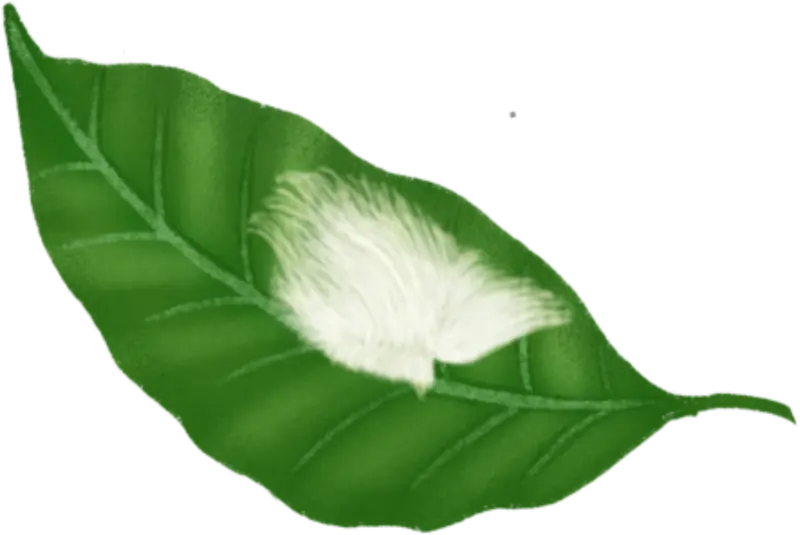
When the caterpillar returns, the coffee farm is healthy.
The Coe Coe (Megalopyge opercularis), the “plush caterpillar”, used to be common in the coffee farms of Huayopata. It is scarce today because the ecosystem was degraded. Where it shows up there is balance: shade, living soil, no agrochemicals. That is why our coffee carries its name.
For your cup
Roasted coffee from our farm. Orders are handled in Spanish over WhatsApp, shipping within Peru.
- 250 g and 1 kg, whole bean or ground
- Order on WhatsApp
- Shipping to Lima, Cusco and Quillabamba
For your roastery or café
Green coffee with lot-level traceability, for buyers who decide with data.
- Green coffee from 5 kg
- 100 g samples, green or roasted; buyer pays shipping
- Lot sheet: pH, °Brix, drying, yields
A 2026 lot, with all its data
LM-BOU-26-B-05
- Red Bourbon
- Natural
- Anaerobic fermentation
- Grade II, base specialty
SCA points, range of our 2026 lots
- Plot
- Lucho Miranda (LM)
- Picked
- May 27, 2026
- Cherry selected
- 75.75 kg
- Discarded
- 9.93 %
- Solar drying
- 27 days, 2 cm layer
- Final moisture
- 11.7 %
48-hour anaerobic fermentation with 2 L of must. On opening: chicha-like aroma, clean foamy texture.
From farm to cup, with data.
- Selective pickingRipe cherry only, kept separate by day and by plot.
- SortingIn lot LM-BOU-26-B-05 we discarded 9.93% of the cherry.
- Anaerobic fermentation48 hours, measuring pH and °Brix at the start and at the end.
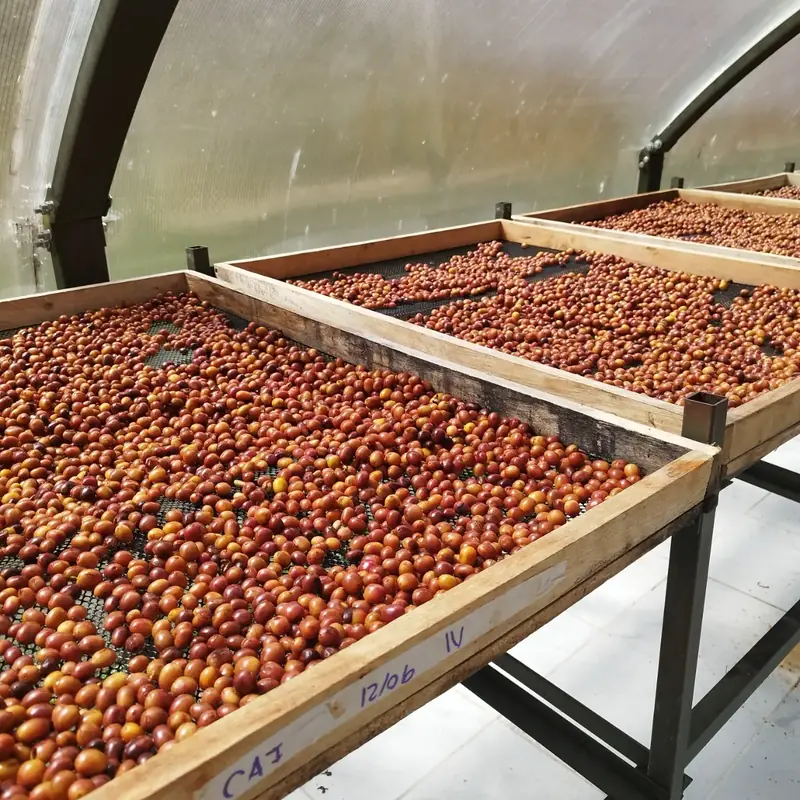
- Solar drying2 cm layer for 19 to 27 days, down to 11.4–11.7% moisture.
- Resting and hullingThe coffee rests in parchment before hulling.
- RoastingMedium roast with our partner PAWY.
- PackingEvery bag carries a QR code that opens its lot page.
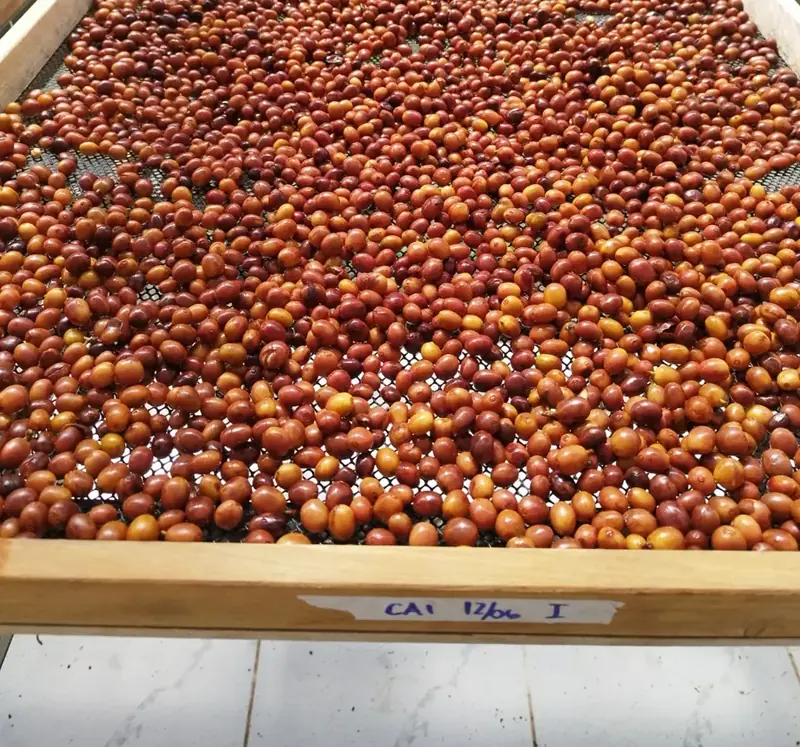
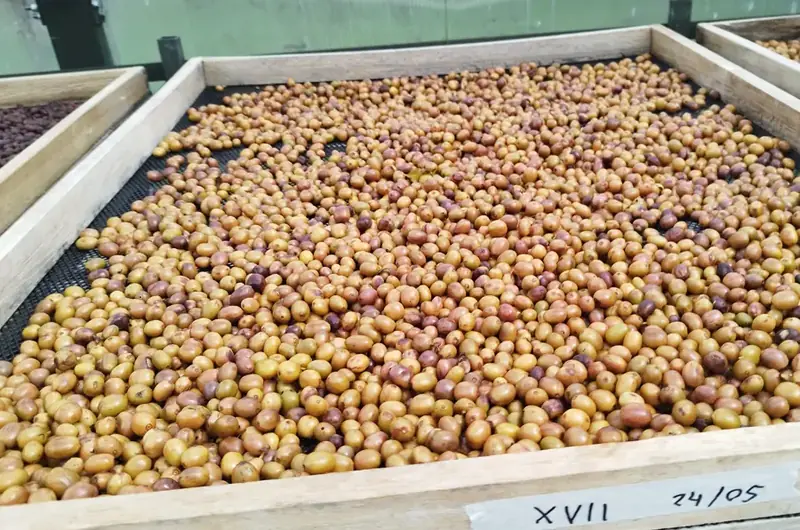
Every drying bed carries a tag with its lot and date. That is where the data on each sheet comes from.
Where the Andes embrace the Amazon.
Sacha Qawana is 3 hectares on a south-facing slope: 2 of shade-grown coffee and 1 of secondary forest that has been recovering for more than 20 years.
- COE COE plotRed Caturra, about 8 years oldOur main commercial lot.
- Lucho Miranda plotRed Bourbon, fourth yearMicrolots with a complex profile.
- Diana Arteta plotRed Bourbon, being establishedNo harvest in 2026.
- Area
- 2 ha coffee, 1 ha forest
- Altitude
- 1,400–1,500 masl
- Shade
- 30 to 50% depending on plot
- Farming
- No synthetic inputs
“I learned to make coffee from scratch: planting, fermentation, drying, roasting and selling.”
Sergio Jordan, Neo Campesino
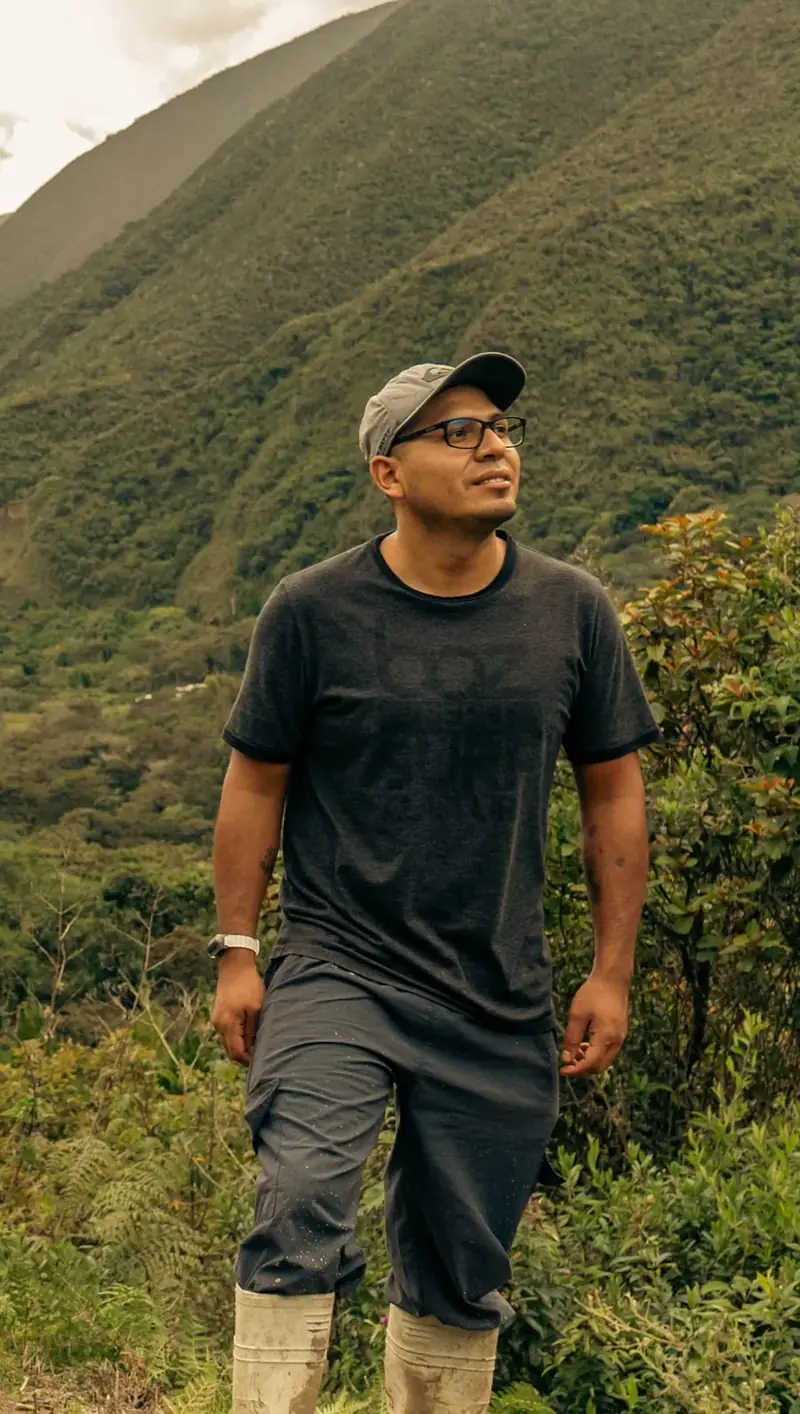
Every cup is an invitation to be part of this transformation.